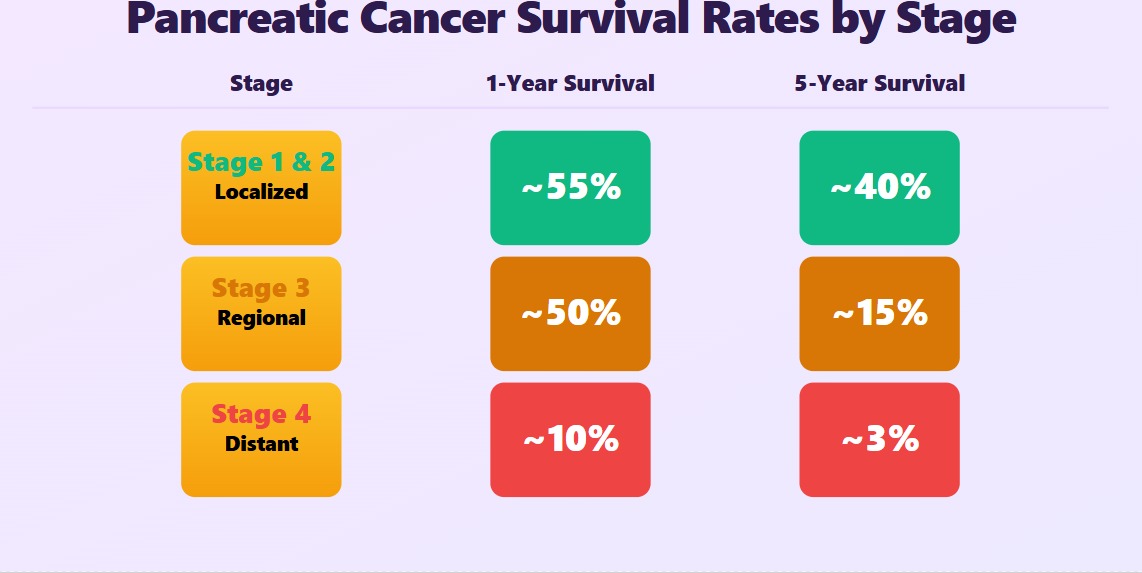
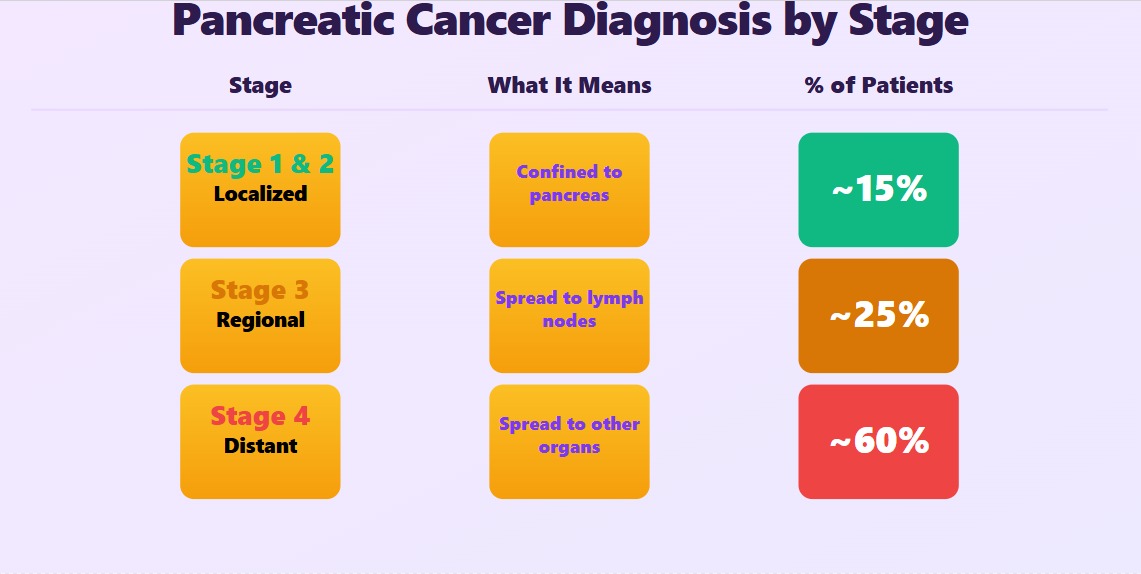
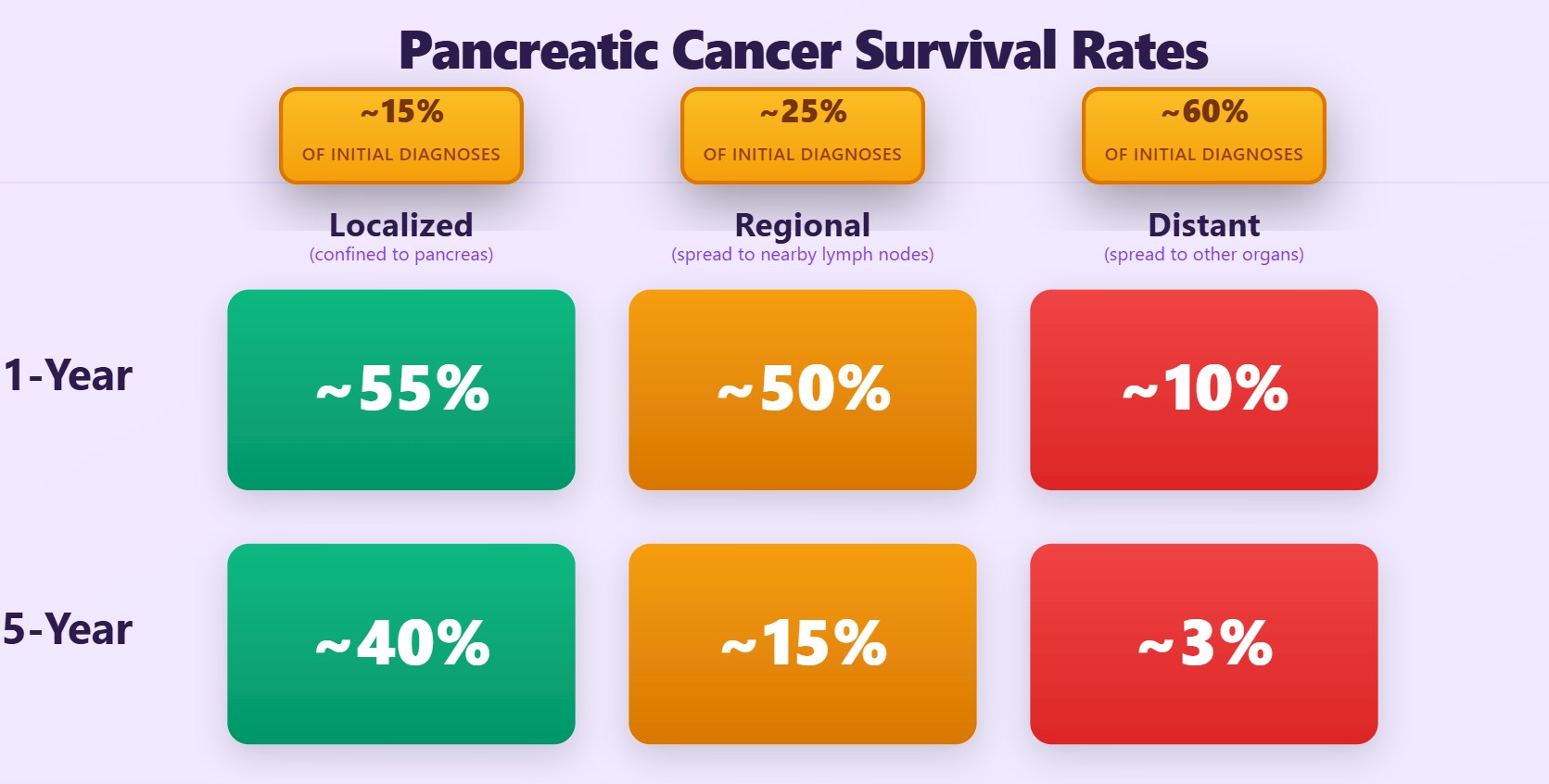
Surgery is the only cure for pancreatic cancer — but it’s only an option when the disease is detected early before it spreads. Nearly 85% of cases are diagnosed after the cancer has spread, making early detection the key to survival. And 40% of 2cm tumors (the size of a single peanut) are missed by human radiologists when analyzing CTs. Let’s dramatically change the way we detect this cancer.
Surgery is the only cure for pancreatic cancer — but it’s only an option when the disease is detected early before it spreads. Nearly 85% of cases are diagnosed after the cancer has spread, making early detection the key to survival. And 40% of 2cm tumors (the size of a single peanut) are missed by human radiologists when analyzing MRIs. Let’s dramatically change the way we detect this cancer.
Supporting Innovation in Detection
Insurance companies typically cover a variety of cancer screening procedures, such as mammograms, PSA tests, colonoscopies, and skin cancer screenings, as these methods are proven to be effective in detecting certain types of cancer at early stages. However, MRIs for pancreatic cancer are often not covered because traditional MRI technology has not been sufficiently accurate or reliable for early detection of this disease. Pancreatic cancer is notoriously difficult to detect in its early stages, and the limitations of current imaging methods have made it challenging for insurers to justify coverage for these scans as a preventive measure. With advancements in AI technology, there is growing potential to significantly improve the accuracy and reliability of MRIs for pancreatic cancer detection. If AI-enhanced MRIs can demonstrate consistent success in identifying pancreatic cancer earlier and more effectively, it could pave the way for insurance companies to recognize their value as a preventive screening tool and include them in coverage policies. This would mark a significant step forward in improving early detection and saving lives. This is why we support Dr. Fishman and his team at John Hopkins as they research and develop powerful AI tools to detect pancreatic cancer in very early stages (when it’s curable).

Help us support Dr. Fishman’s efforts using AI to revolutionize how we detect Pancreatic Cancer.
Insurance companies typically cover a variety of cancer screening procedures, such as mammograms, PSA tests, colonoscopies, and skin cancer screenings, as these methods are proven to be effective in detecting certain types of cancer at early stages. However, CT scans for pancreatic cancer are often not covered because traditional CT technology has not been sufficiently accurate or reliable for early detection of this disease. Pancreatic cancer is notoriously difficult to detect in its early stages, and the limitations of current imaging methods have made it challenging for insurers to justify coverage for these scans as a preventive measure. With advancements in AI technology, there is growing potential to significantly improve the accuracy and reliability of CTs for pancreatic cancer detection. If AI-enhanced CTs can demonstrate consistent success in identifying pancreatic cancer earlier and more effectively, it could pave the way for insurance companies to recognize their value as a preventive screening tool and include them in coverage policies. This would mark a significant step forward in improving early detection and saving lives. This is why we support Dr. Fishman and his team at Johns Hopkins as they research and develop powerful AI tools to detect pancreatic cancer in very early stages (when it’s curable).

We also support the Kenner Family Research Fund, who also work to advance early detection of pancreatic cancer to improve survival.
All our initiatives are united by a common goal: accelerating early detection of pancreatic cancer to save lives.